Streaming Platforms With Social Features: What's Actually Out There
Most streaming platforms are built for solitary viewing. You scroll, you click, you watch. The platform learns what you watched and surfaces more of the same. There's no conversation attached, no way to find out what other people thought, and no connection to the people who made what you just watched.
For viewers who care about film as something more than content to turn on in the background, that model is genuinely limiting.
A small number of platforms are trying to do something different - building spaces where viewers can discuss, connect, and engage with films and filmmakers rather than just consume them. This guide covers what's actually available, what each platform's community features look like in practice, and what to expect before you sign up.
The Reelist: Community Built Around Filmmakers and Audiences Together
The Reelist is built on a specific idea: that watching independent film is better as a shared experience, and that the conversation between filmmakers and audiences is part of what makes independent cinema worth caring about. The community features reflect that - they're not bolt-ons added to a streaming service, but part of how the platform was designed from the start.
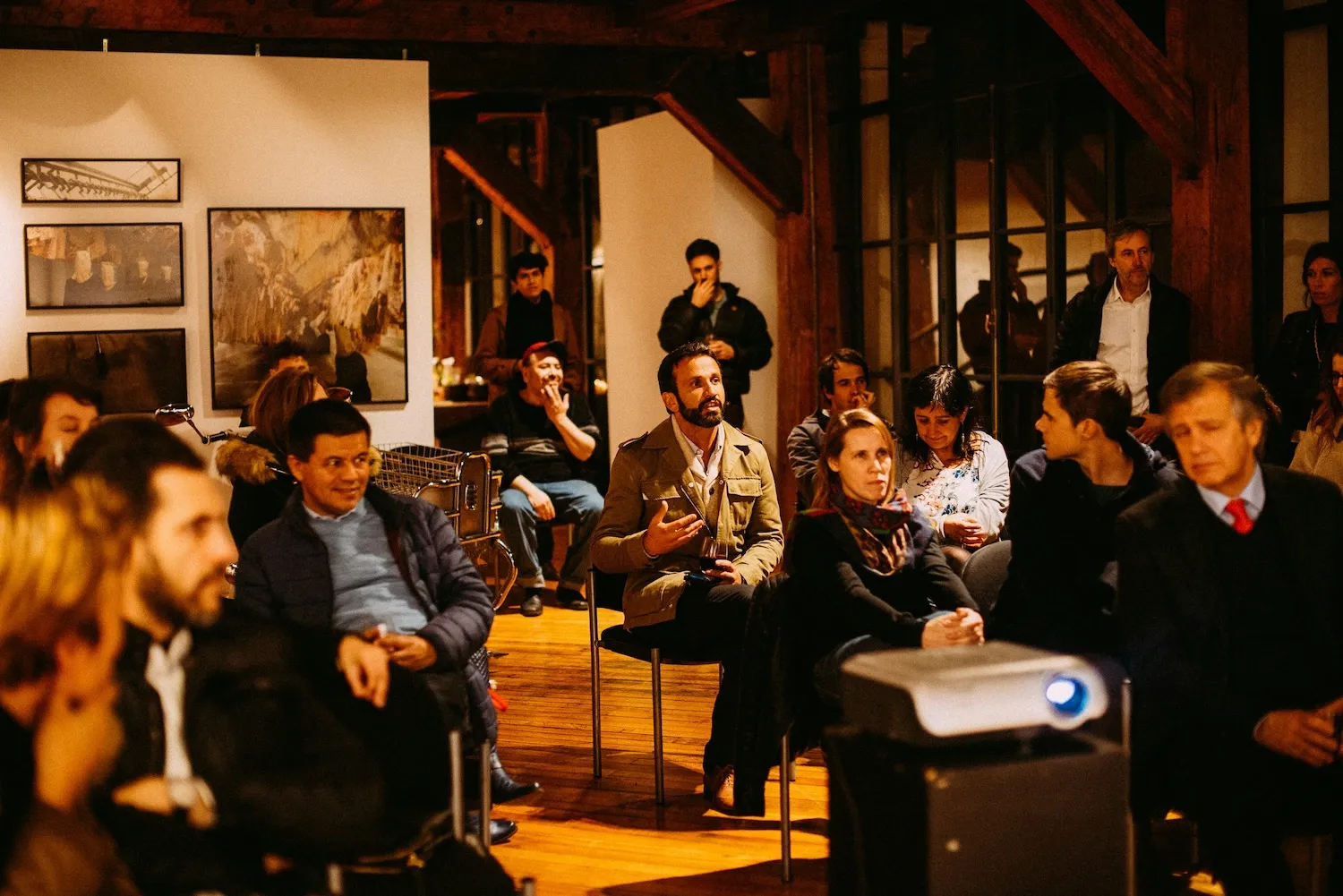
Members have access to discussion forums organized around the films and filmmakers in the catalog, watch parties for synchronized viewing with other members, and filmmaker Q&As that create direct access to the people behind the films. The Q&A access in particular is the closest most viewers will get to the festival experience - the conversation after the screening, the filmmaker taking questions - without being physically present at a festival.
Our behind-the-scenes content also functions as a community touchpoint in a way that most supplementary streaming material doesn't. When a production diary or director interview is the shared reference point for a forum discussion, the conversation tends to be more specific and more substantive than general film talk.
The funding model reinforces this. A portion of every membership fee goes directly to filmmakers as upfront payment, which means members are genuinely invested in the work on the platform rather than passively consuming it. That changes the relationship between viewer and film in ways that affect how people engage in community spaces.
The Reelist offers a two-month free trial with full access to community features, filmmaker content, and the catalog. Start your trial here.
Letterboxd: Where Most of the Real Film Community Actually Lives
While Letterboxd is not a streaming service - it’s a social network for film lovers - it's worth including here because any honest guide to film community online has to acknowledge that Letterboxd is where most of the genuine film conversation happens - particularly around independent and arthouse cinema.
Members log films they've watched, write reviews, keep diaries, build lists, and follow other users whose taste they trust. The activity feed surfaces what people in your network are watching and thinking about, which functions as a discovery mechanism that algorithmic recommendations can't replicate. Finding a reviewer whose taste consistently aligns with yours and following their watchlist is a more reliable way to find films worth watching than any platform's suggestion engine.
Letterboxd integrates with streaming services to show where films are currently available, which makes it a useful companion to whatever platform you're subscribing to. The community skews toward independent, international, and arthouse film - which makes it particularly relevant for Reelist, Criterion Channel, and MUBI subscribers.
It's free to use with a paid tier for additional features. Worth having alongside any streaming subscription.
MUBI: Editorial Community Rather Than Interactive Community
MUBI's community features are primarily editorial rather than interactive. The platform has a strong and distinctive voice - critical framing and written context accompanies every film in the rolling catalog - and that editorial consistency creates a community of shared taste even without native forums or watch parties.
The MUBI Notebook, the platform's film criticism publication, is one of the better places online to read serious writing about film. It creates a community of readers and thinkers around cinema even when viewers aren't directly interacting with each other. Comment sections exist on individual film pages and tend to be more considered than most streaming platform comment sections, partly because the catalog self-selects for a particular kind of engaged viewer.
For viewers who want a community organized around shared critical sensibility rather than direct interaction, MUBI's approach is genuinely distinctive. For viewers who want forums, watch parties, or direct filmmaker access, it doesn't offer those in any developed form yet.
Shudder: Genre Community Through Shared Obsession
Shudder, the horror-focused streaming service, has a more coherent implicit community than most platforms simply because horror viewers are unusually engaged and vocal about the genre. The platform offers scheduled live watch parties on Shudder TV and has built programming around the kind of deep catalog knowledge that horror audiences bring to the conversation.
The community that exists around Shudder tends to happen partly on the platform and partly in adjacent spaces - horror-focused subreddits, film forums, podcasts - but the platform's focus creates a shared reference point that more general streaming services can't replicate. If your primary interest is horror specifically rather than independent film broadly, Shudder is the most community-adjacent option among major genre streaming services.
What Most Platforms Get Wrong About Community
The watch party feature has become the standard response to the question of community on streaming platforms. It solves a specific problem - watching a particular film at the same time as someone in a different location - but it doesn't build a community. It requires you to already have the community before you use it.
Genuine community on a streaming platform requires a few things that most services haven't invested in: persistent spaces where conversations happen between viewing sessions, discovery mechanisms that connect viewers with similar taste rather than similar viewing history, and ideally some connection between viewers and the people whose work they're watching. That's a different product from a streaming service with a chat overlay.
The Reelist is the most developed attempt at that model in independent film streaming. Letterboxd is the most successful implementation of film community online, though it operates differently as a companion to streaming rather than a streaming service itself. Everything else on this list offers partial versions of one element or another.
FAQ
For independent film specifically, The Reelist offers the most developed community infrastructure - discussion forums, watch parties, and direct filmmaker Q&A access organized around the films in its catalog. For the film community more broadly, Letterboxd is where most genuine film conversation happens online, though it's a social network rather than a streaming service. Most major streaming platforms (Netflix, Amazon, Disney+) have watch party features but no community infrastructure beyond that.
Netflix does not have built-in forums, discussion spaces, or watch party features as of this writing. The platform is designed for individual viewing with algorithmic recommendations rather than community engagement. Some third-party browser extensions have historically enabled synchronized viewing with others, but these are not native Netflix features.
A watch party is a feature that synchronizes playback of a film or show across multiple viewers in different locations, usually with a chat window running alongside. They allow you to watch a specific title with people you already know but don't create connections between viewers who don't know each other.
The Reelist's community is organized around the films and filmmakers in its catalog rather than around users' general viewing histories. Members can access filmmaker Q&As and behind-the-scenes content that creates shared reference points for discussion, and the platform's focus on independent film attracts viewers who are specifically there for that reason rather than as part of a general entertainment subscription. The community features were part of the platform's original design rather than added afterward.